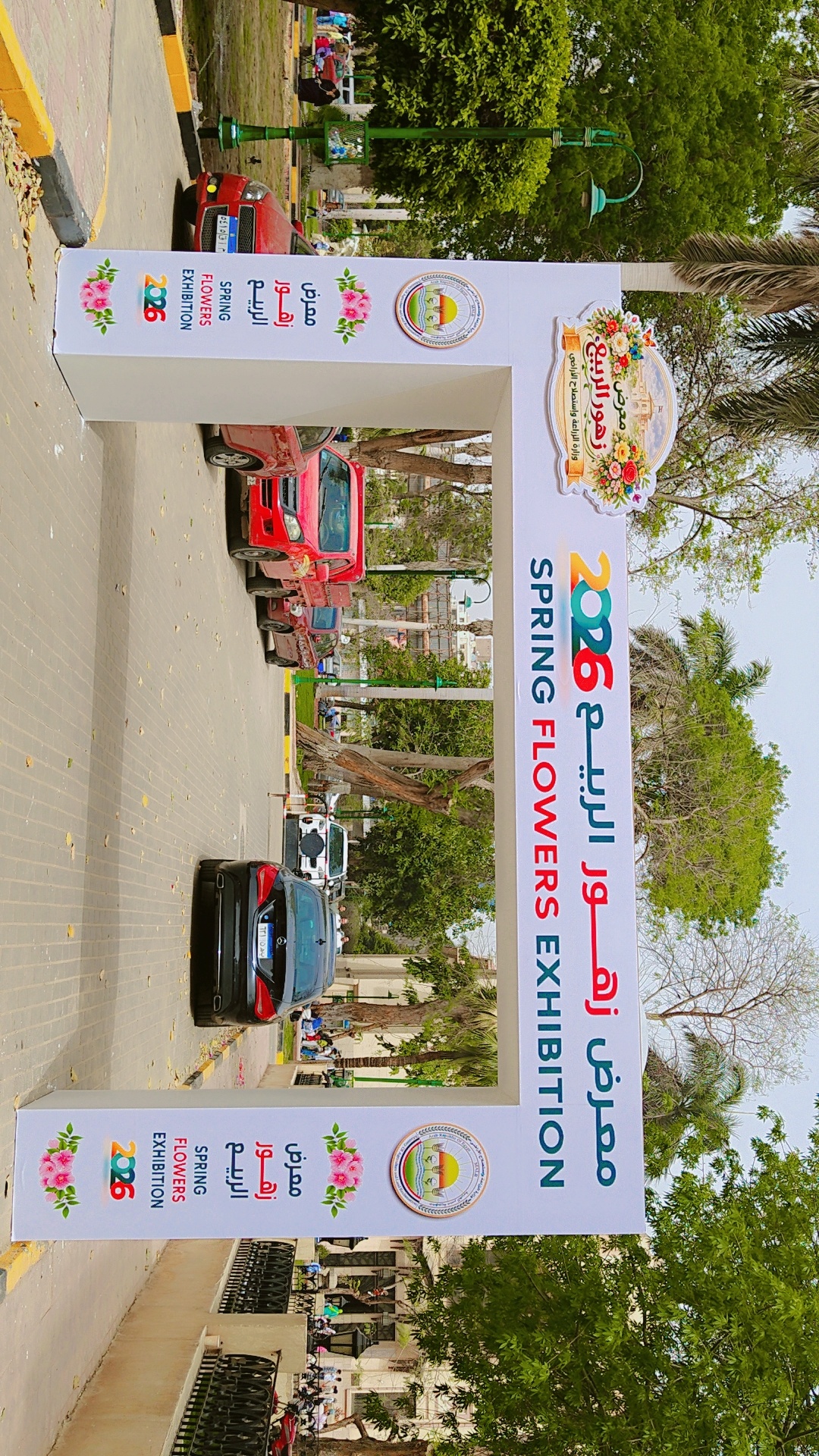
I went expecting an hour or two. I left six hours later with sore feet, a full camera roll, and that rare feeling of being surprised by your own city. Cairo's Spring Flower Exhibition 2026 at the Egyptian Agricultural Museum in Dokki is not just a seasonal event — it is a genuine celebration of Egypt's living agricultural heritage, stretching from ancient history to the present day.
Here is everything I saw, everything that amazed me, and everything you need to know before you visit — because this exhibition deserves a full day, not a quick stop.
What Is the Spring Flower Exhibition?
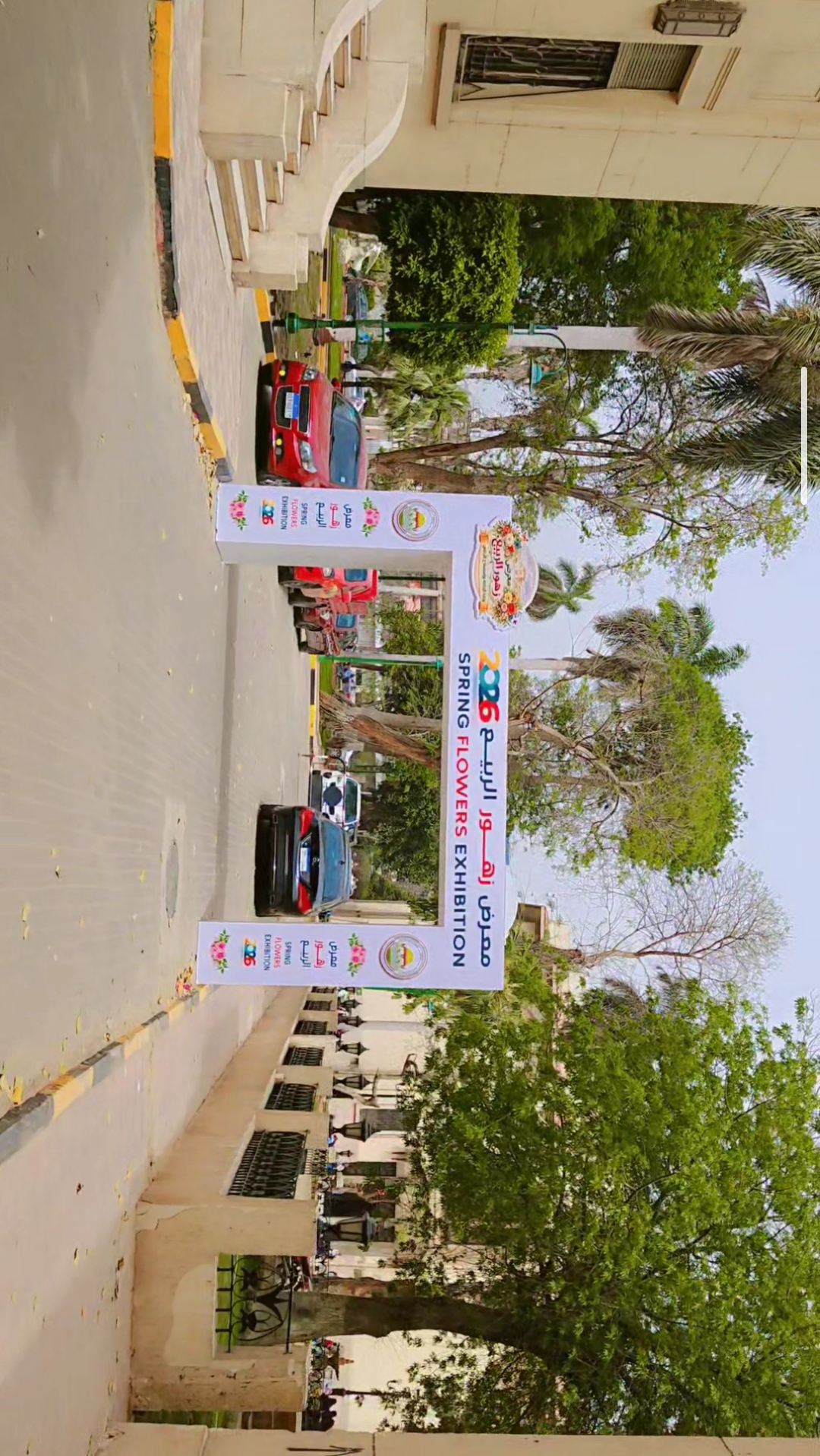
The Spring Flower Exhibition (معرض زهور الربيع) is Egypt's largest annual flower show, organised by the Ministry of Agriculture and Land Reclamation and held every April at the Egyptian Agricultural Museum in Dokki, Giza. It draws hundreds of thousands of visitors each year and features participation from dozens of Egyptian governorates and international partners.
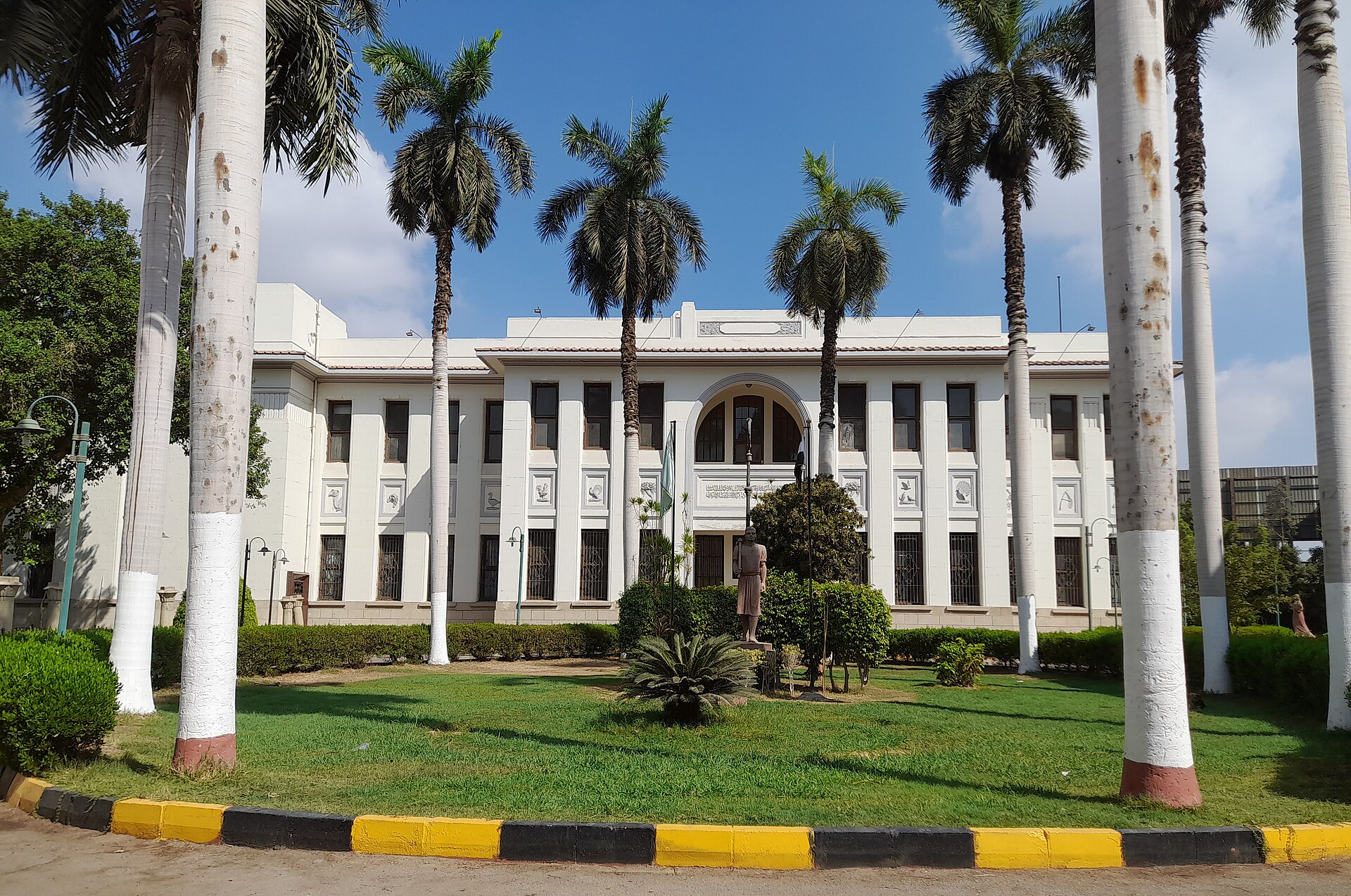
What distinguishes this exhibition is its setting: the Museum's 30-acre historic estate — with its royal palaces, century-old trees, and neoclassical halls — transforms into a living canvas of spring colour unlike anything else in Cairo.
2026 Highlights
The Grand Floral Installations
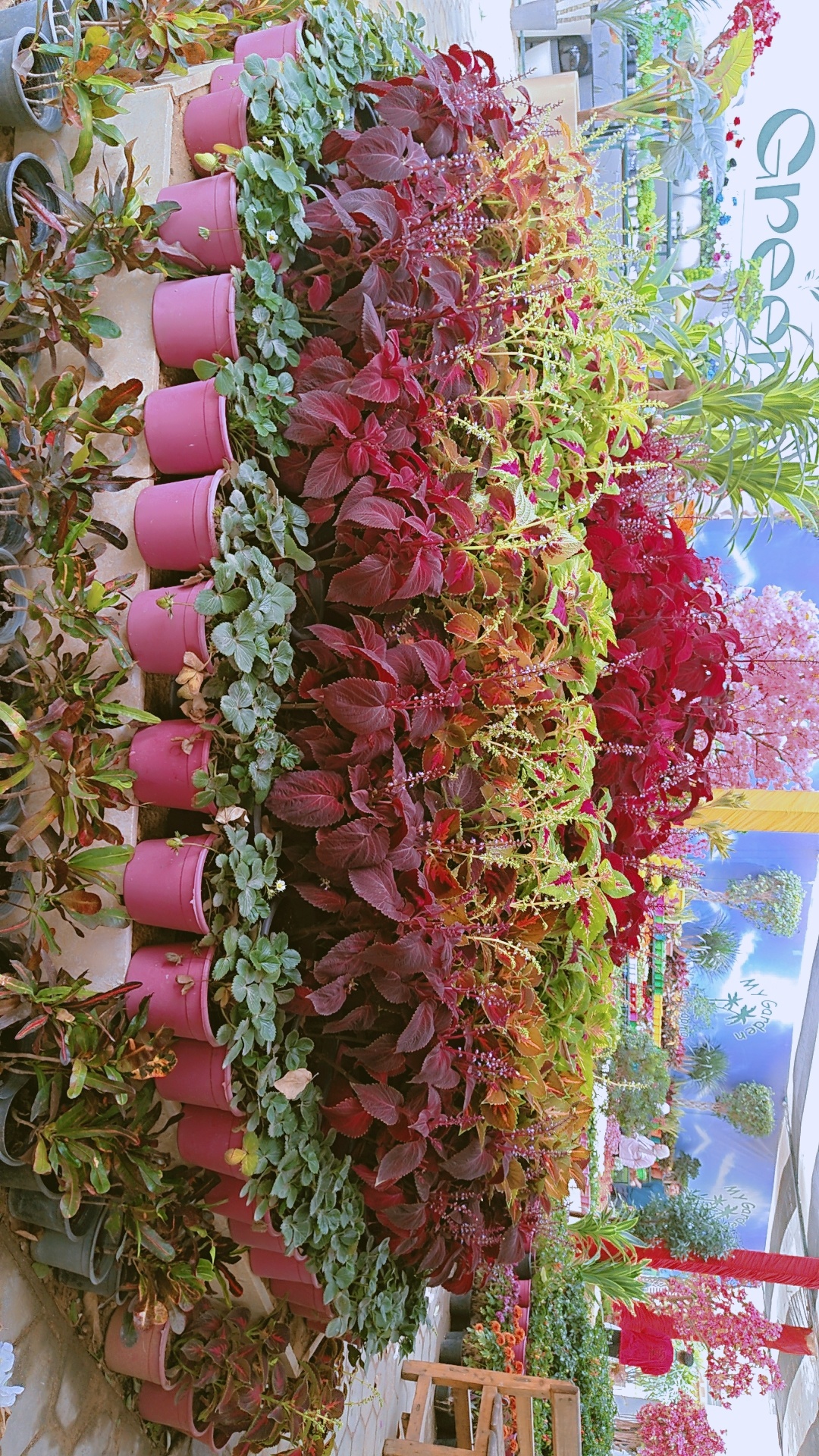
Hundreds of thousands of flowers — roses, carnations, chrysanthemums, tulips, birds of paradise — arranged in geometric formations and large-scale art pieces. The floor-level flower mosaics depicting maps of Egypt and national symbols are breathtaking in their detail and scale.
International Pavilions
Pavilions from friendly nations brought plant varieties rarely seen in Egypt alongside cultural displays, making the exhibition a quiet exercise in soft diplomacy as much as horticulture.
The Rare Flowers Hall
A climate-controlled indoor hall showcasing tropical and rare species — multiple orchid varieties, bird-of-paradise flowers, and exotic species cultivated in Egypt's advanced greenhouse programmes. This hall alone is worth an hour.
The Agricultural Museum Itself
Do not miss the Museum's permanent galleries: artefacts from ancient Egyptian agriculture, mummified sacred animals, Pharaonic farming tools, and a comprehensive timeline from ancient Egypt through Mohamed Ali's agrarian reforms to today's national land reclamation projects.
Practical Visitor Information
- Location: Egyptian Agricultural Museum, El Wezara St., Dokki, Giza (Metro: El Dokki, Line 2)
- Dates: Held annually over two weeks in April — check official Ministry of Agriculture channels for exact dates
- Opening hours: Usually 9:00 AM – 5:00 PM
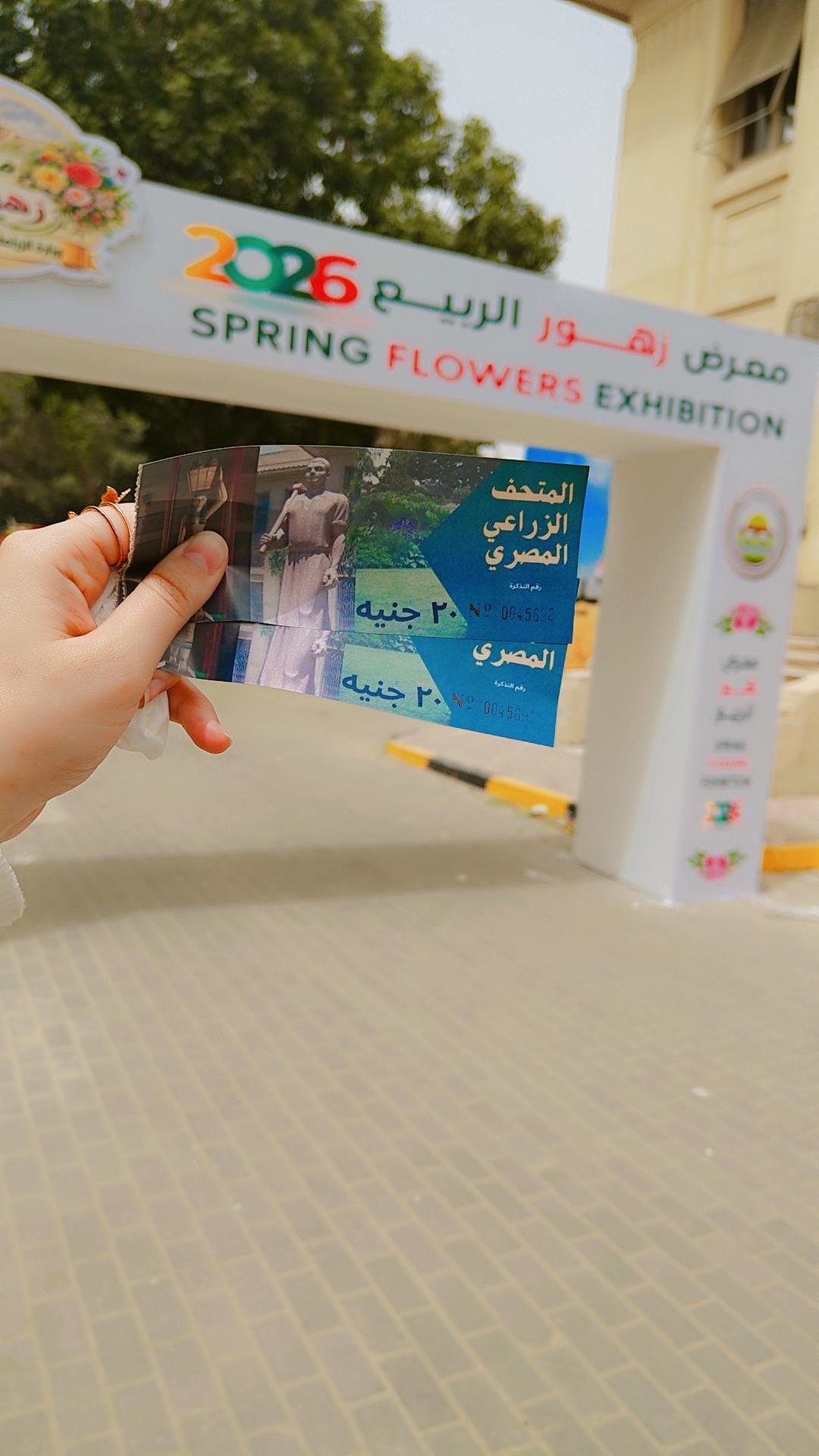
- Entry fee: Nominal; confirmed via the Ministry's official media centre before the event
- Best time to arrive: Early morning (before 10:00 AM) for best photography light and smaller crowds
Tips for Your Visit
- Wear comfortable shoes — you will cover significant ground on varied surfaces
- Bring a portable charger — you will photograph extensively
- Do not miss the plant market at the rear of the grounds — rare varieties at competitive prices
- Allow at least 3-4 hours; the full experience rewards a full day
- The international pavilion and the Museum's interior halls are the most overlooked — prioritise them
The Egyptian Agricultural Museum — When the Venue Is Part of the Experience
Before you step into the exhibition proper, the location itself demands a moment. The Egyptian Agricultural Museum is one of the largest agricultural museums in the world, founded in 1938 during the reign of King Farouk I on a 30-acre estate that includes royal palaces, century-old trees, and sweeping formal gardens.
The grounds alone tell chapters of Egypt's history: the palace of Princess Fatima Ismail with its marble colonnades, shaded walkways lined with ancient trees, and classical buildings blending Islamic and neoclassical architecture. When Cairo's spring flowers are layered across all of this, the gardens become a living painting that words can barely describe.
Ministry of Agriculture Pavilion
The main pavilion of the Ministry of Agriculture and Land Reclamation was among the busiest in the exhibition — and for good reason. It featured detailed displays on Egypt's land reclamation projects, agricultural modernisation programmes, and protected farming and greenhouse initiatives. It was a rare chance to see a complete picture of Egypt's agricultural landscape today, presented accessibly for a general audience.
The Minister of Agriculture conducted an inspection visit during the exhibition, overseeing crop displays and modern agricultural technology demonstrations — a sign of genuine governmental commitment to this annual event.
Floral Design Competition
One of the exhibition's most charming sections was the floral design competition, with entries from agriculture faculty students and floral arrangement enthusiasts from across Egypt's governorates. The creativity on display — in flower arrangement, vessel design, and architectural compositions — was remarkable. I stood in front of several pieces for minutes at a time, trying to understand how someone imagined and then executed a concept with that level of precision.
Inside the Agricultural Museum — A Journey Through Egypt's History
Do not leave without dedicating time to the Museum's permanent collection — this is the hidden treasure most visitors walk past.
The interior galleries take you through time: mummified sacred agricultural animals, Pharaonic ploughs and harvest tools, sculptures and reliefs documenting the ancient Egyptian relationship with the land, the Nile, and farming. The journey continues through Roman and Islamic Egypt, then into modern times — from Mohamed Ali's sweeping agrarian reforms, to the Aswan High Dam's transformation of Egyptian agriculture, to today's national land reclamation mega-projects.
Four major wings make up the Museum: Agricultural Arts, Animals, Plants, and Agricultural Geology — each sufficient for hours of exploration on its own.
Six Hours in the Exhibition — How I Split My Time
If you are planning a serious visit, here is a suggested time allocation:
- Hour 1: The outdoor gardens and grand floral installations at the entrance — morning light here is exceptional for photography
- Hours 2–3: The international pavilion and ministry pavilions — read the panels, talk to the specialists
- Hour 4: The rare and tropical flowers hall — take your time here
- Hour 5: The Agricultural Museum's indoor galleries — the historical journey
- Hour 6: The floral design competition, the plant market, and a final walk through the gardens in the best evening light
The Plant and Seed Market — The Perfect Souvenir
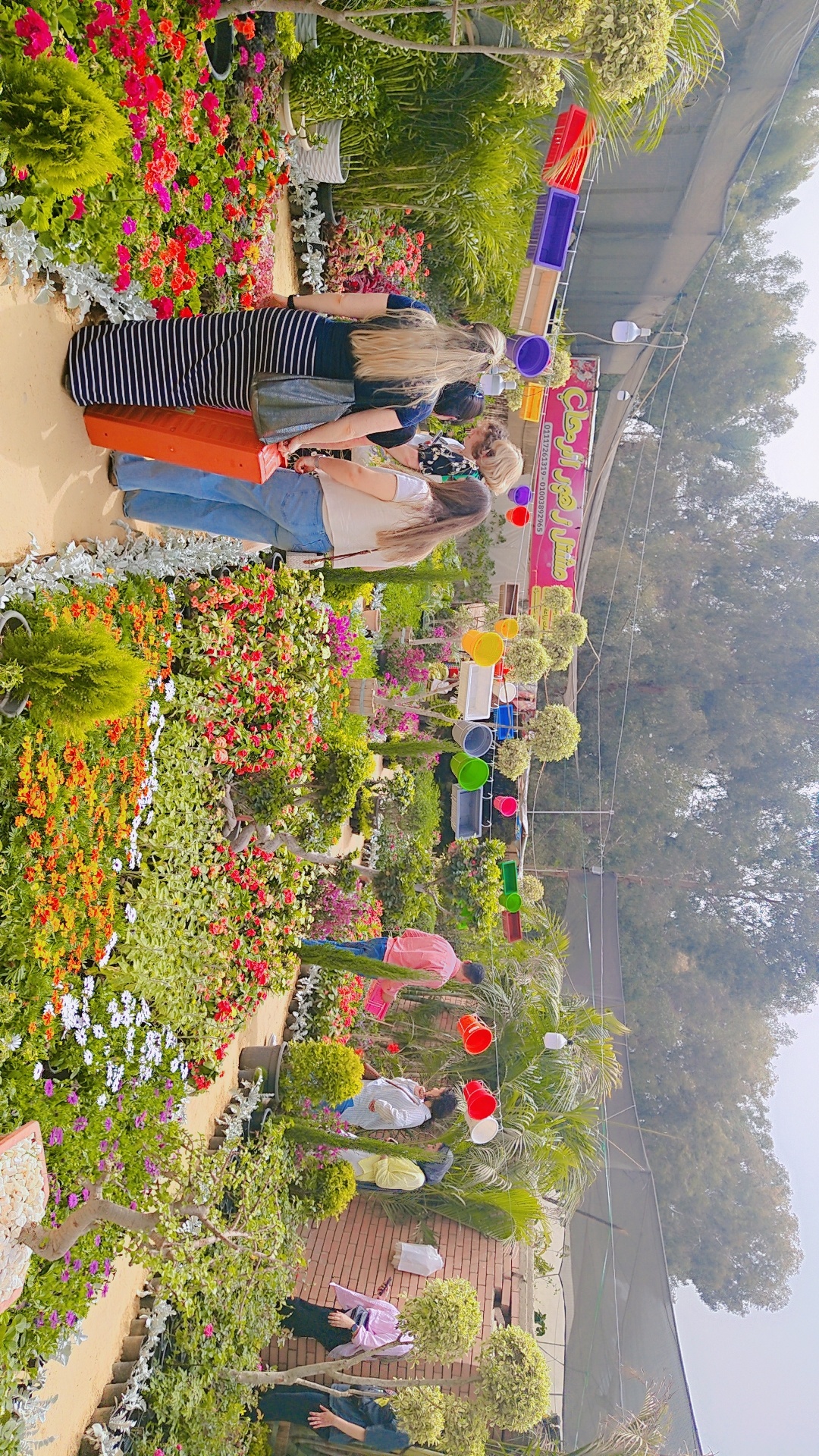
At the rear of the exhibition grounds sits a gem that many visitors miss entirely: a specialist market selling plants, seeds, and gardening tools at prices that significantly undercut regular garden centres. I bought plants I could not even identify by name — and left carrying far more bags than I had planned.
If you have any interest in home gardening, reserve both time and budget for this section. You will find rare varieties well outside the usual commercial range.
Why the Spring Flower Exhibition Deserves Your Time in 2026
We live in a city that changes fast, and we often forget that those changes reach even what we consider fixed traditions and annual events. The Spring Flower Exhibition is one of Cairo's most beautiful cultural constants — but it evolves each year, expanding and refining itself.
The 2026 edition was notably strong in its international participation and the variety of its scientific pavilions. If you are looking for an experience that combines visual beauty, knowledge, history, and open air — this exhibition delivers all four in a single day.
Leaving at sunset, after six hours, I felt something I can only describe as this: this city is full of surprises. All we need to do is keep our eyes open.
Frequently Asked Questions
When is the Spring Flower Exhibition 2026?
The Spring Flower Exhibition is held annually over two weeks in April at the Egyptian Agricultural Museum in Dokki. Exact dates are announced via the official Ministry of Agriculture media centre before each event.
Where is the Egyptian Agricultural Museum?
The Egyptian Agricultural Museum is located on El Wezara Street, Dokki, Giza — close to El Dokki Metro Station on Line 2.
How much does entry cost?
Entry fees are nominal and confirmed officially before the event. Check the Ministry of Agriculture's official channels or media centre for the latest figures.
Is the exhibition suitable for children?
Absolutely. The spacious gardens and vivid floral displays naturally engage children, and several pavilions include interactive educational activities designed for younger visitors.
What makes this exhibition different from other flower shows?
Its location inside the historic Egyptian Agricultural Museum gives it rare cultural depth — you are not only visiting spring flowers, but a civilisation rooted in agriculture stretching back thousands of years. The international participation and the Museum's permanent collection add layers that most flower shows simply cannot offer.
Who organises the Spring Flower Exhibition?
The exhibition is organised by the Ministry of Agriculture and Land Reclamation in partnership with the Agricultural Museum administration and a number of governmental and international partners. The Minister of Agriculture traditionally opens the event officially.
Can I buy plants and flowers at the exhibition?
Yes — the exhibition includes a specialist plant market selling plants, seeds, and gardening tools at competitive prices. Browse it before you leave; rare varieties at good prices make it worth the extra time.